The Day the Game Stopped at Vortex Pickleball
March 11, 2025, began like any other Tuesday. Steve Czinsy, manager at Vortex Pickleball in West Bend, Wisconsin, headed to work to start his shift at the facility where so many—friends and regulars alike—came to play the game they loved.
One of those players was Mike McGuire. As a pickleball instructor at Vortex, Mike was no stranger to the intensity the game can demand—in fact, he lived for it. He laced up his shoes, grabbed his keys, and hopped in the car, not knowing that this ordinary Tuesday would nearly take him out of the game—forever.
How A Tragic Lesson Inspired an AED Installation
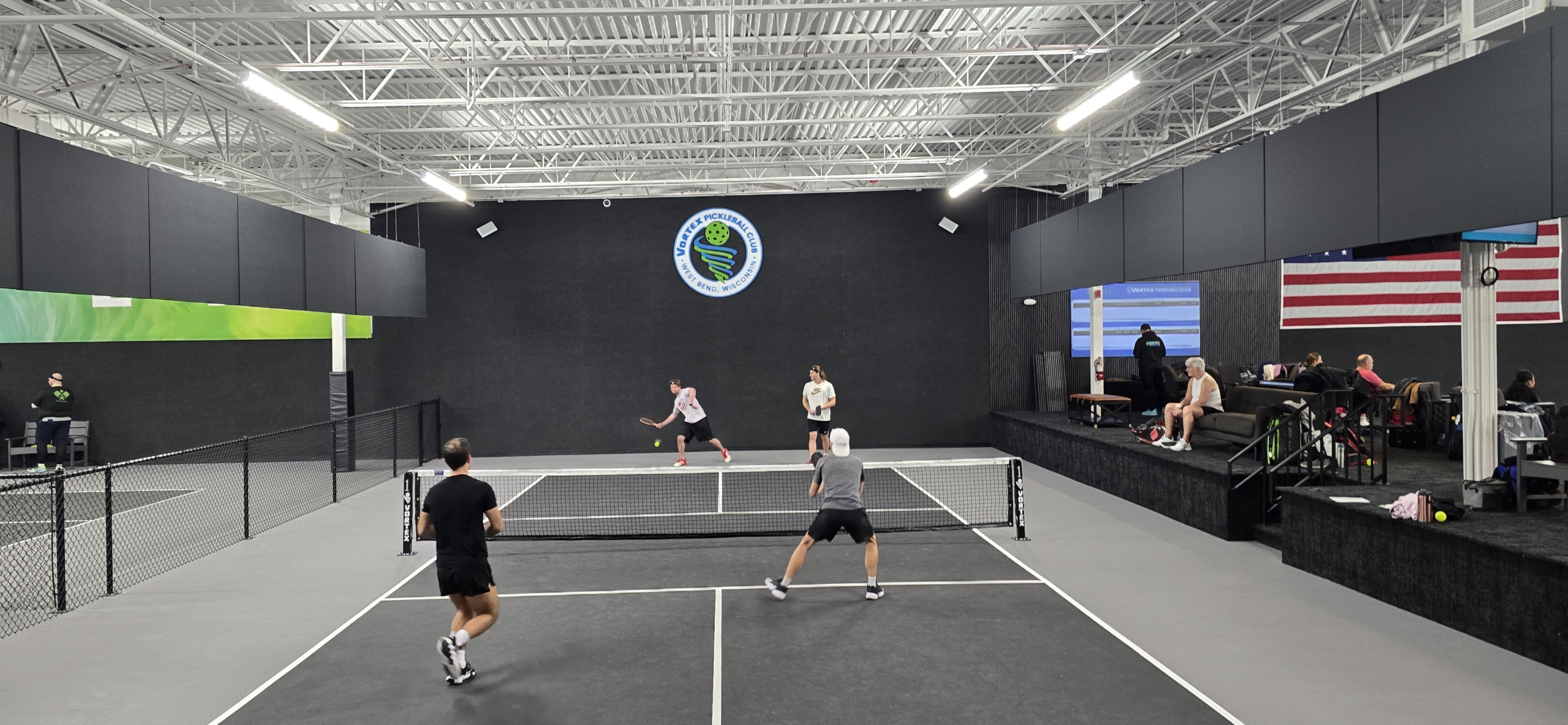
Pickleball has taken the nation by storm, with nearly 70,000 Pickleball courts nationwide. Like so many other facilities, the feeling of belonging was palpable; players showed up at Vortex week after week, forming friendships and creating their own community within those walls.
This kind of community club – welcoming, social, and warm – was exactly what Vortex Pickleball Founders, Lori and Patrick Prescott, had dreamed of creating. But there was one other aspect that they knew they needed to prioritize: Safety.
Years earlier, Lori and Patrick had witnessed a fatal cardiac event at another club. During the chaos of building out and opening their club, that event was etched in their hearts and minds. They couldn’t help but think that maybe – just maybe – if that facility had had an AED, a life could have been saved. Because of that event, they made a silent promise to themselves and their community to have an AED on site, hoping to never need it.
The community was grateful for that commitment to safety. In late February, Mike and some other players, including a retired Fire Chief, had gathered near the AED. They talked through how it worked, pointed out some of its features, and the former Fire Chief even remarked that it was a solid, reliable device from a reputable company. At the time, it was a conversation that felt more reassuring than urgent.
Yet, just seven months after opening the club and two weeks after that conversation, that AED would prove its worth in a way no one could have anticipated.
The Ball Stopped. Hearts Raced. Time Froze.
It was a normal Tuesday morning at the club. A regular group of players drifted in, greeting each other with easy smiles and a few jokes as they set down water bottles and half-finished cups of coffee on the sidelines, as they did week after week. The courts filled with the steady pop of balls against paddles, a familiar rhythm that represented the heartbeat of the club. Sneakers scuffed lightly across the gritty court as laughter echoed between volleys, a crisp breeze slipping in each time the door opened and closed. The game was casual… the kind of rally where conversation flowed as easily as the ball over the net. A ball was served, another volleyed back — and suddenly, one of their friends crumpled to the court.
“Mike!”
“Oh my God!”
“Is he okay?”
Frantic chatter overlapped, the pop of balls on paddles faded into a loud silence, and in an instant, the morning shifted. Players turned into first responders, and a carefree game with friends turned into a fight for survival.
The Race Against Time Begins
“Call 911!” A player shouted to nobody in particular and everybody all at once. “The second I heard ‘Call 911!’, I went straight for the AED before even checking what happened or who was down,” recalls Patrick. Less than two minutes after he hit the floor, Mike’s life was in the hands of his friends, fellow players, and the AED that was installed just seven months prior.
Then came the true test: Would the AED actually work? Would they even know how to use it? Could this machine really save Mike’s life?
Less than 30 seconds after the AED was laid on Mike’s chest, a shock rang out through his body. The AED had passed its first test, but Mike was still unconscious, so the job wasn’t done. “Begin chest compressions,” the AED ordered just 19 seconds later. Another player began CPR, and after just one minute, Mike’s eyes started fluttering open. It worked.
“I thought I lost a great friend that day. But thanks to our AED and the quick actions of our members and staff, we are still sharing great times today!”
— Steve Czisny, Manager, Vortex Pickleball
By the time the fire department had arrived, nearly 6 minutes later, Mike was lucid, and to the surprise of all who had just witnessed his heart stop right before their eyes, was insisting that he finish the game he had started. They collectively exhaled and laughed, tears of relief streaming down the faces of friends who thought they had lost one of their own that morning.
From Close Call to Community Wake-Up Call
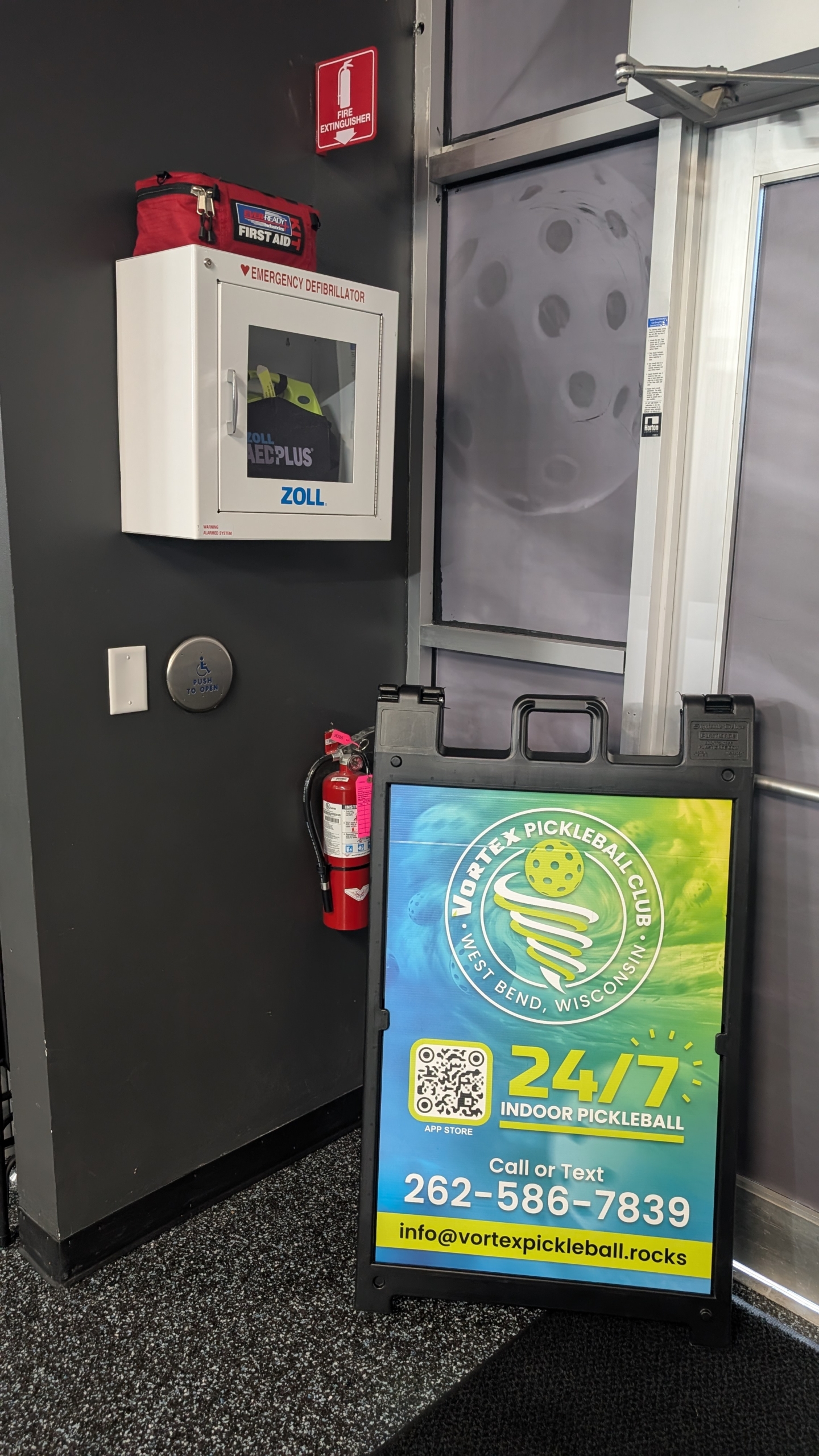
The fact that Mike survived a cardiac arrest because of the AED on site at Vortex Pickleball caused a ripple effect; The community’s trust and confidence in the club swelled. Members began noticing the AED on the wall, when it had blended into the background so many times before.
Vortex now regularly plays an instructional AED video to encourage awareness and make people feel comfortable using it. “Several members have remarked that they walked past the AED every time they entered the club but never realized it was there,” shared Steve. Now, everyone knows it’s there, ready to save a life at a moment’s notice.
The experience validated the Prescotts’ decision to prioritize safety from the very beginning.
“Because of a fatality at another club, having an AED was something we knew we wanted to have… but never wanted to need,” Patrick Prescott reflected. “When the moment came, the realization was that it actually worked — this AED really was going to save him.”
Ordinary People Can Do Extraordinary Things
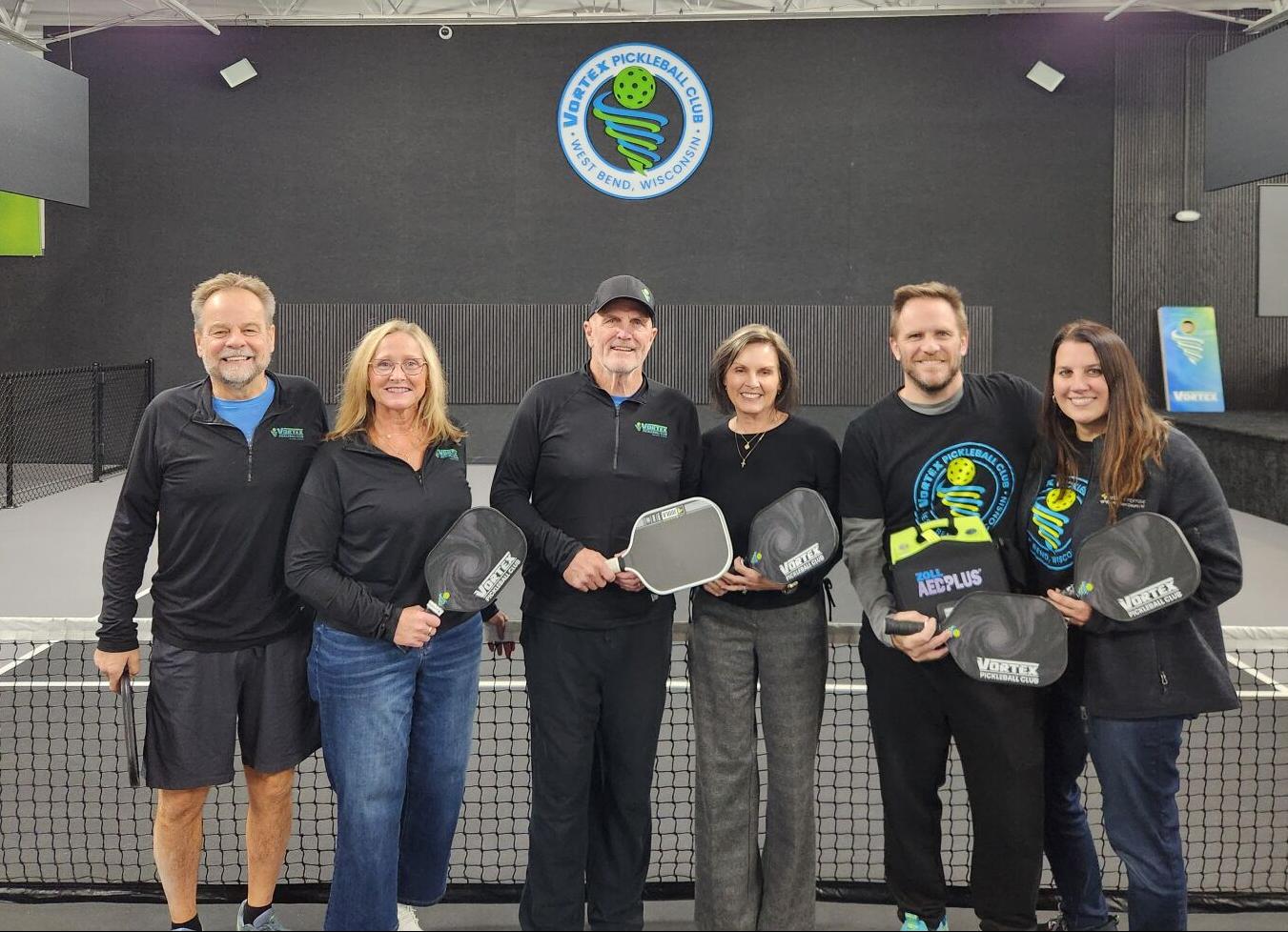
It’s worth mentioning that none of the players who came to Mike’s aid were trained medical professionals. Yet, they were able to respond quickly and effectively because of how clearly the AED guided them. Patrick and fellow pickleball player, Tracy, Hokanson, were honored for their incredible work in saving Mike’s life during the West Bend Common Council’s meeting in November.
“In hindsight, we should have been more prepared and comfortable using it, but it really is an easy process,” Patrick admitted. “I will say it is intimidating in the heat of the moment, but the AED walks you through it.”
The AED does the bulk of the work, using pads placed on the person’s chest to detect abnormal electrical activity within the heart. If a shockable rhythm is found, the AED delivers a shock to briefly stop the heart, causing a “reset” of sorts. After the shock is delivered, the AED instructs next steps, including CPR. All of these steps are critical, yet for someone without a medical background, are also completely dependent on the reliability of the AED.
“The only thing worse than not having an AED is having one that doesn’t work,” said Patrick Prescott. “The peace of mind from the regular testing and maintenance was key for us.”
Mike McGuire’s Second Chance at Life
When asked about what he recalls from that day, Mike reflected. “I was playing pickleball when I noticed my vision getting blurry, and my view of the other player turned sideways.” Mike did not yet realize that he was the victim of cardiac arrest. “My thought at that moment was, ‘What’s happening, and how am I going to return this ball?’”
Unbeknownst to him, losing the game was suddenly the least of his worries. It was at that moment that Mike crumpled to the floor, consciousness quickly fading away. “The next thing I knew, I woke up on the court with paramedics hovering over me,” he recalled. The AED had done its job, thanks to the other players who acted quickly.
“There’s absolutely no question that the AED — along with the quick actions of Pat Prescott and other members and staff — saved my life.”
Installing an AED is not an inexpensive choice for a business. It’s an investment you hope you’ll never have to use — much like a fire extinguisher or sprinkler system — but when the unthinkable happens, its value is beyond measure.
“I will forever be grateful,” Mike expresses. “My family and I understand just how much those moments mattered.”
Choosing to have an AED on site, professionally installed and maintained, has a price tag. The life of a member, friend, son, father, and husband? That’s priceless.
Even When Help Is Close, Seconds Still Matter
Although Vortex Pickleball is located less than a mile from the nearest fire department, those minutes between collapse and the arrival of paramedics proved critical. For each minute that defibrillation and CPR are delayed, a patient’s survival decreases by 10%. On that fateful Tuesday morning at Vortex, it took the fire department 6 minutes to arrive. Had the AED not been on site, Mike’s chance of survival would have been less than 40%.
“Peace of mind is knowing an AED is close — ready to save a life when every second counts.” – Patrick Prescott
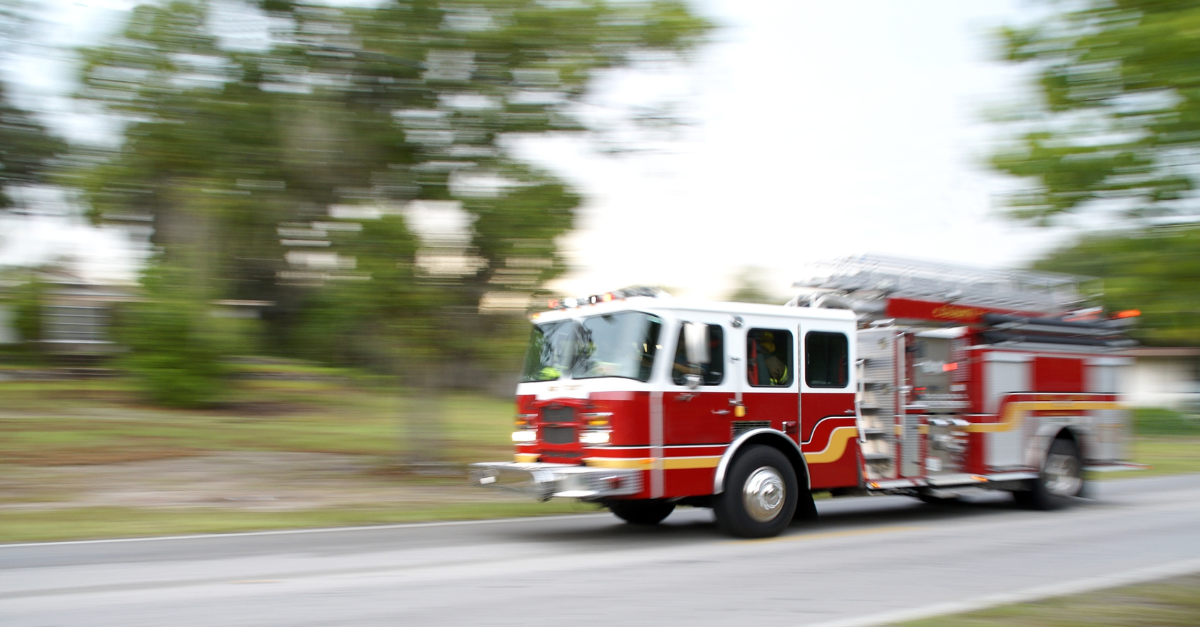
If paramedics located less than a mile away from Vortex Pickleball took 6 minutes to arrive, what does that mean for more rural locations? With lives on the line, and an effective way to save one when necessary, it’s simply not worth the gamble. Mike hopes other facilities take this lesson to heart: “I encourage every facility to make sure they have an AED available and that people know how to use it. You never think it will happen to you — until it does.”
Just minutes from death, Mike knows one thing is true:
“The AED at Vortex, and the people who acted quickly, gave me my life back.”
Preparedness Starts with the Right Partnership
Who you choose to install and service your AED is just as important as the decision to have one, and not all suppliers are created equal. With so much at stake, it’s important to choose an AED partner that you can rely on.
“The only thing worse than not having an AED is having one that doesn’t work.” – Patrick Prescott
Packerland’s AED program includes installation and maintenance, as well as the replacement of used AEDs within 24 hours of use. The AED Packerland supplies is easy-to-use, with voice prompts and CPR guidance while in use. Packerland also recommends an instructional video to help staff and customers become familiar with the process.
With the lives of our own community members on the line, Packerland promises:
- Peace of Mind: Always ready, no burden on staff.
- Quick Response: Local service and support.
- Always Reliable: Guaranteed to be tested, charged, and ready to go
Safety Is Everyone’s Responsibility
The reality is that cardiac events can happen anywhere, to anyone, at any time. They don’t wait for “the right place” or “right time.” In fact, more than 357,000 out-of-hospital cardiac arrests happen each year, and nearly 90% are fatal. They can happen in gyms, schools, libraries, restaurants — anywhere people gather.
What happened at Vortex Pickleball is more than a success story; it’s a reminder of what’s possible when communities take safety seriously. Vortex’s quick action proved that preparedness saves lives. Because of one AED, one decision, and one team that refused to wait until it was too late, a life was saved.
It’s a stark reminder that every community space, from classrooms to coffee shops, should not underestimate the power of being prepared. Wherever people gather, an AED should never be out of reach.
After all, because Vortex had an AED on site, a life was saved.